For the first time that morning, the numbers and the night shift were the same story. Dana added the part nobody had written down. Every manual correction took time, and that time belonged to people who were paid as night staff, not as part of the automation budget. The software looked cheap because its upkeep had been hidden in the labor of the floor. If those hours were counted fairly, the savings in the board’s plan would shrink a great deal, and some of them might disappear altogether. The truth was simple, and it was heavy. Nolan and his co-workers had not just been hard-working employees. They had been the quiet hands holding the performance together night after night while the headline results went to someone else.
Renee asked a final question. She wanted to know who had approved the cost analysis that went to the board. Dana searched the file for the approval line and found the name at the bottom of the page. It read Blair Whitmore.
Dana and Meredith spent the rest of the morning on a formal review of the files tied to the workforce plan. Their goal was not revenge. They needed to know whether the board had been given a full picture of the operational risks. They were careful to use only records that human resources and operations were authorized to review, and Meredith refused to open anything beyond that line, even when it would have been easy.
Inside Dana’s own folder were emails Nolan had sent weeks earlier. He had warned that on-time delivery alone could not measure whether automation was truly working to cut staff safely. He wrote, “Leadership would have to count the hours of manual intervention, the cost of training, and the plan for when something broke.” Dana had said much the same thing in her own notes. Both warnings had been polite, specific, and ignored.
But when the board presentation was being built, Blair had instructed her team to center it on delivery results and trim the explanation about manual intervention. Her email read, “Keep the presentation focused on efficiency gains. Operational exceptions belong in supporting materials.” On its own, the sentence was not proof of fraud. It was a CEO choosing what to emphasize. But Dana kept reading. The final deck sent to the board no longer contained the appendix that explained how heavily the system leaned on people, and Blair had been warned in writing that leaving it out could lead the board to a flawed conclusion. She had chosen the cleaner story anyway.
Meredith then provided the personnel documents she was authorized to share with the review. A restructuring plan from six weeks earlier listed Nolan in a group of managers marked for replacement because they did not fit the new direction. Blair had repeatedly treated his technical warnings as resistance. His honesty had not made him useful in her eyes. It had made him a problem.
Around noon, Blair found Dana in the hallway and demanded to know why she was digging through old files on a holiday. “Because the board is going to ask,” Dana said. “And I would rather hear it from us than from a customer.” Blair insisted that every decision had been made for the long-term good of the company. Dana said quietly, “Then the records will agree with you,” and she walked away.
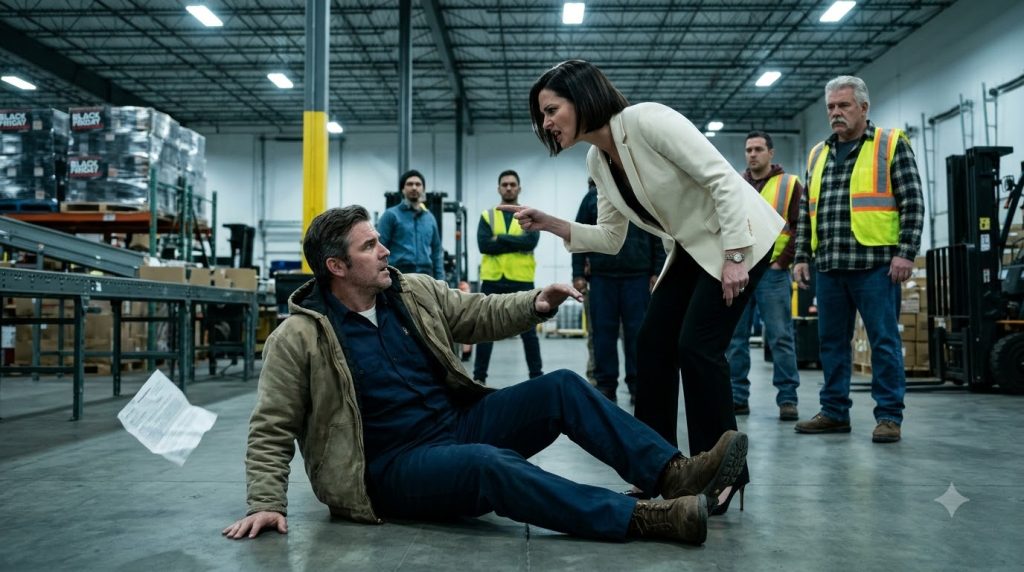
The meaning settled over the building slowly. Blair had not simply underestimated her employees. She had known the system still needed them and pushed ahead anyway because the plan was tied to her own record and her own ambition. She might not have planned to fire Nolan on Thanksgiving Eve, but when he asked for his approved day off, she saw her chance to remove the one man she already wanted gone. The firing was not a random outburst. It was the same way she ran everything, by using power instead of listening. The first surprise had shown them how much the night shift mattered. This second showed them why she had been willing to throw them away.
Meredith sat with the files in front of her for a long time after the review paused. She had processed hundreds of resignations in her career, but never 20 in a single morning, and never with every handover completed so carefully. She thought of how many times she had approved a request like Nolan’s without a second thought, because it was ordinary, and it was fair. What unsettled her was not the paperwork. It was how easily fairness had been treated as a threat.



